Types of Shots in Film, From Wide Shot to Extreme Close-Up
From the extreme long shot to the extreme close-up, every shot size tells you something. Definitions, functions, and examples pulled from real films.
 Franck Meyer ·
·
8 min read
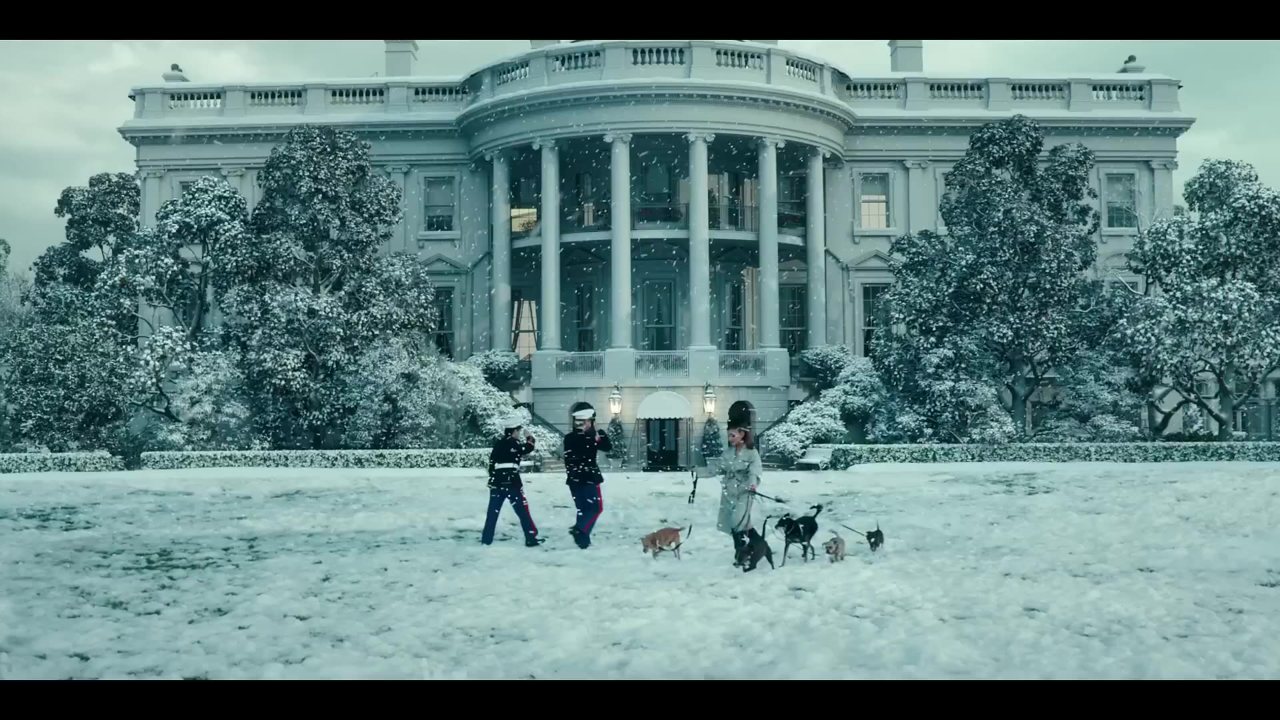
Shot types in film fall on a simple scale. You classify each framing by how much of the human body is visible in the image, from the landscape where your character is just a dot to the eye that fills the screen. This convention dates back to classical cinema and hasn't moved since.
The problem is the vocabulary. The Caen film club notes that definitions are "absent or contradictory between authors." Marcel Martin, in Le langage cinématographique, got by with three levels (general shot, shots more or less close, close-up). Some people call "demi-ensemble" what the next person calls "plan d'ensemble." So I'm locking in my own definitions, with the French abbreviations and their English equivalents.
- PGE, plan de grand ensemble (ELS, extreme long shot)
- PE, plan d'ensemble (LS, long shot)
- PDE, plan de demi-ensemble (MLS, medium long shot)
- PM, plan moyen (FS, full shot)
- PA, plan américain (MS, medium shot)
- PRT, plan rapproché taille (MCS, medium close shot)
- PRP, plan rapproché poitrine (CS, close shot)
- GP, gros plan (CU, close-up)
- TGP, très gros plan (ECU, extreme close-up)
- Insert (same word in English)
Keep one idea in mind above all. These shots fall into four families, and each one has a function. Wide shots establish. The full shot singles out the characters. Closer shots build tension. The close-up and its variants trigger emotion.
Wide shots set the place first
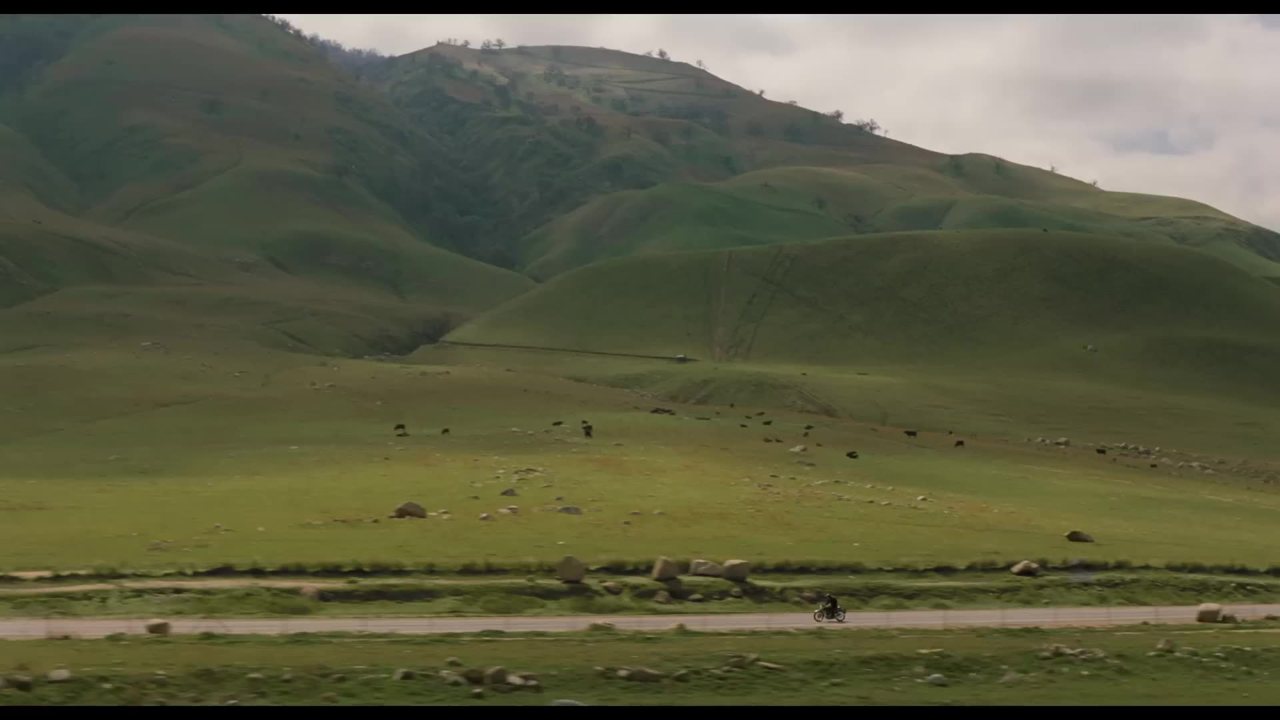
The extreme long shot, also called the establishing shot, shows a distant space. It may contain characters, but you can't identify them. It describes the location, often the time of day and the weather. It can also say that a character is lost or that a threat towers over them from far away.
In Lawrence of Arabia (David Lean, 1962, cinematography by Freddie A. Young), Sherif Ali, played by Omar Sharif, appears out of the deep desert like a mirage. Lean lets him come in from the horizon, taking all the time it needs. The desert crushes everything, and the wait becomes the subject of the scene.
The long shot tightens things up one notch. The space is still wide, but you can recognize the characters. The medium long shot, sitting in between, is exactly the one authors argue over. If you use it in a shot list, tell your crew what it means.
Sergio Leone built the style of The Good, the Bad and the Ugly (1966, cinematography by Tonino Delli Colli, shot in Techniscope) on the contrast between these huge wide shots and extreme close-ups. The opening shows it in a single move. A pan sweeps across an empty landscape, then slides onto a sunburned face, which becomes a close-up with no cut at all. On RogerEbert.com, you can read that Leone films these faces like landscapes, the way Ford filmed Monument Valley.
The full shot and the cowboy shot introduce the characters
The full shot frames the characters head to toe. You still see a bit of the set, but they are what matters. Its job is to kick off the action once the setting is established.
Just below it sits the plan italien, cut at mid-calf. It's rarely used, so you'll seldom run into it on a shot list.
The plan américain, or cowboy shot, cuts at mid-thigh, between the knees and the hips. The Caen film club talks about characters caught "at revolver height." People often say the name comes from Westerns, which fits nicely with the holster in the frame. For the actor, it's a balanced shot. You read their gestures, their hands, and their face all at once.
John Ford strings them together in My Darling Clementine (1946). When Wyatt arrives in Tombstone, in front of the barber, he goes from a full shot to a cowboy shot at revolver height, then to a long shot of the saloon. Elsewhere, silhouettes seen from behind, barely visible in a wide shot, become identifiable characters thanks to the full shot that follows. That's exactly its function. It singles out.
Closer shots turn up the pressure
Close shots cut at the waist, at the chest, or just below the shoulders. The tighter you go, the more the tension climbs. The medium close shot is often presented as the dialogue shot, because it keeps the face, the shoulders, and the hands.
In Ford's film, Wyatt's conversation with the Clantons plays out in close shots. One shot in the sequence is very tight, and yet the Caen film club classes it as a shoulder-level close shot and not a close-up. The reason is simple. It serves to tighten the action, not to give birth to an emotion. Name your shots by what they do, not just by their size.
The final duel in The Good, the Bad and the Ugly is the clearest example of this build. The three men form a triangle. Leone starts on a full shot, tightens to a close shot, then ends on an extreme close-up. The scale itself becomes the countdown.
Close-ups, extreme close-ups, and inserts go for emotion
The close-up frames a face, or any object filmed up close. On a face, it serves to trigger emotion. Gilles Deleuze went further. For him, the close-up doesn't enlarge the object, it pulls it out of time and space to turn it into an "entity."
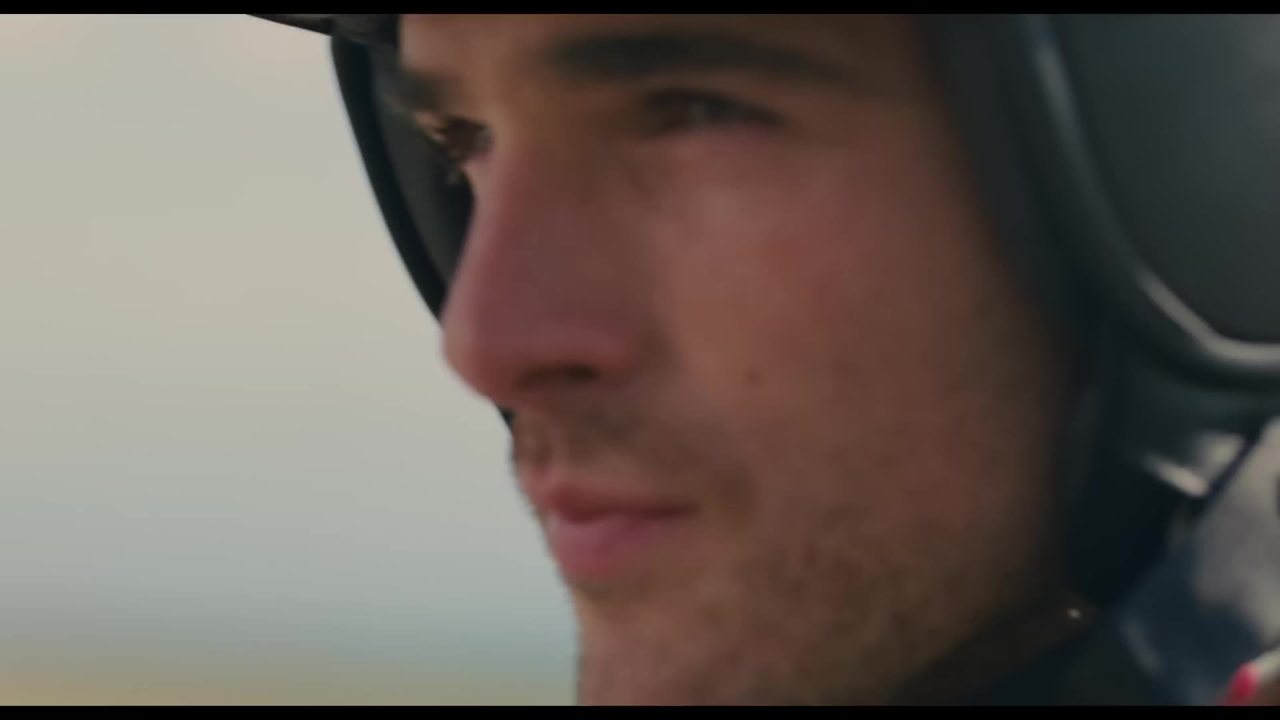
The extreme close-up isolates one part of the face or body. An eye, a mouth, a finger, a scar filling the screen. Y. Baticle called it the "dramatic shot par excellence" in his Manuel d'initiation au cinéma (1968).
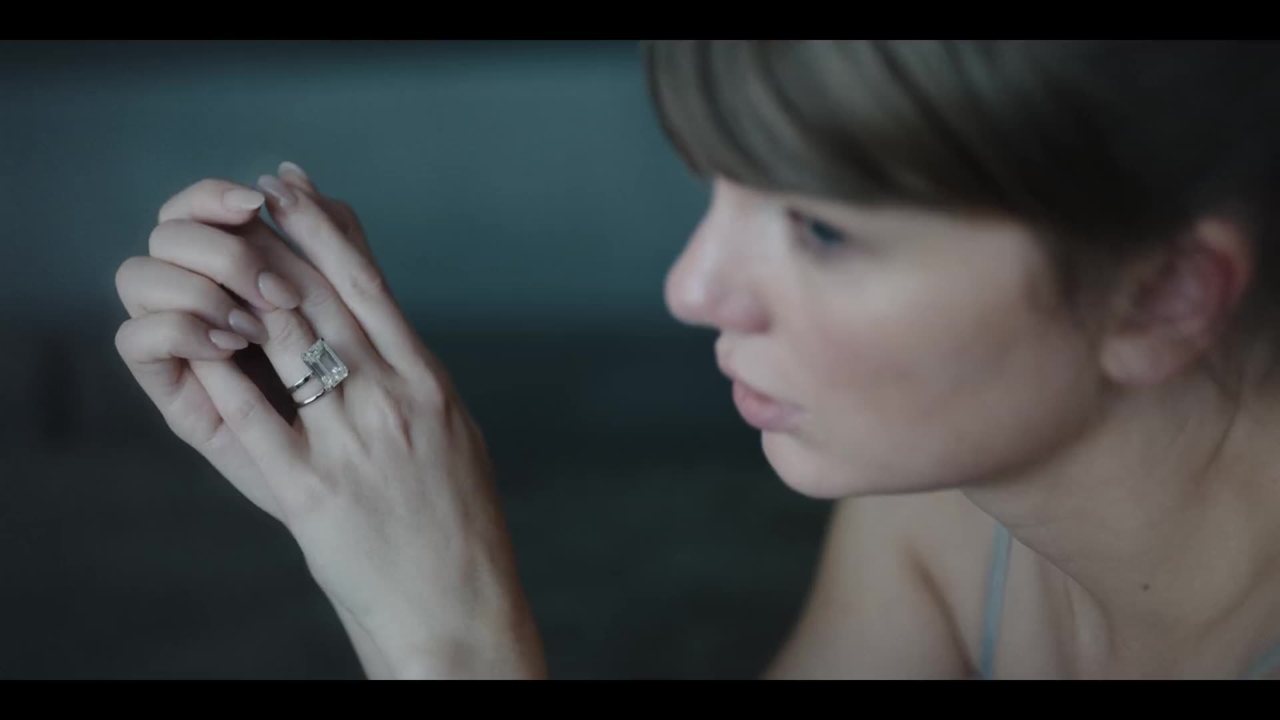
The insert is a close-up of an object. The dictionary defines it as a generally brief shot, placed between two ordinary shots, that makes a link or shows a detail, a piece of writing, a drawing. The textbook cases are the letter, the watch face, the phone, or the calendar a character looks at. This shot carries information the audience must not miss.
Meaning is born when you change scale
A single shot says little. It's the move from one size to another that produces the effect. For Arbogast's murder in Psycho (1960), Hitchcock explained to Truffaut that he placed the camera very high above the staircase. He wanted a strong contrast between that wide shot and the close-up of the face when the knife comes down. He cuts on the movement of the knife. He sums it up with a sound image, "the camera up high with the violins, and suddenly the big head with the brass."
This play isn't new. From the first shots of Napoleon (1927), Abel Gance alternates long shot, chest-level close shot, full shot, insert, close-up, and wide shot. The Caen film club published the shot-by-shot breakdown, and it's a good reading exercise.
A technical rule follows from all this. When you cut between two shots on the same axis, change the scale decisively or shift your angle by at least 30°. Otherwise you get a jump cut, two almost identical framings stuck end to end, and the image jumps.
People often say Hitchcock advised against wasting the wide shot before the dramatic moment where it will really count. Whether the line is his or not, the principle holds. One well-chosen detail is often enough to place a scene, and the big wide shot then keeps all its power for the moment you need it.
Train your eye on images
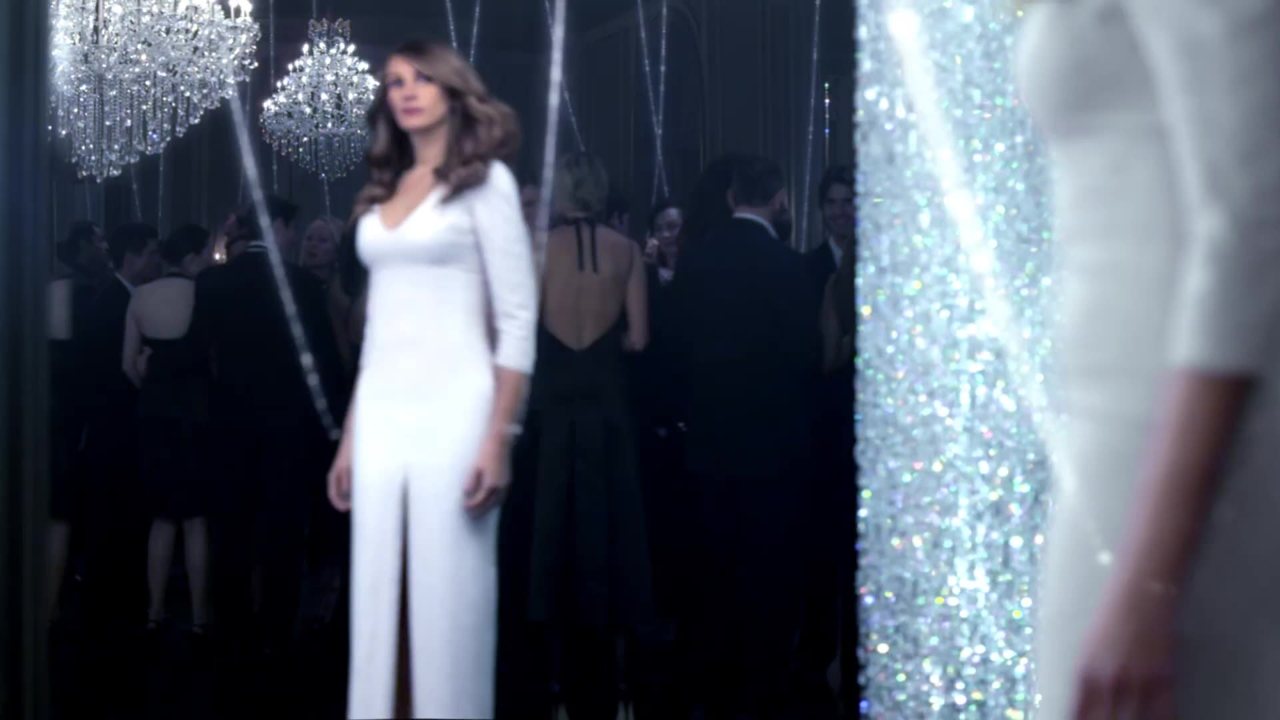
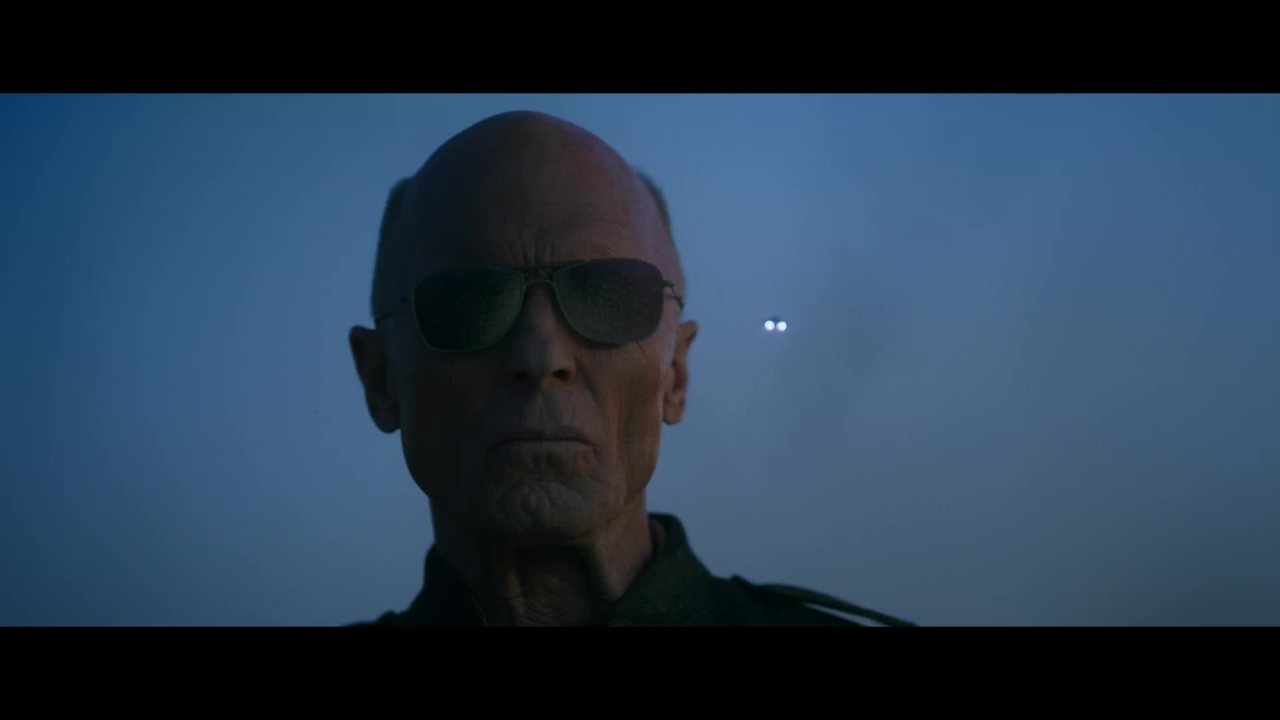
Before moving on to your own films, redo the test on the six images above, from the Chanel cyclist to the ring in the Taylor Swift video. For each one, name the shot size, then the family it belongs to (establish, single out, build tension, move).
Then move on to a scene you love. Paste the link into Scenorama and pick extraction by shot change, then write the abbreviation under each frame (ELS, FS, MS, CU...). Read the sequence of sizes like a musical score. You'll quickly see where the filmmaker tightens, where they widen, and when they hold back their widest shot. Then break down a scene of your own, two people reuniting for example, deciding first where your one and only close-up lands.
Frequently asked questions
What's the difference between a full shot and a cowboy shot?
The full shot frames the characters head to toe, with a bit of the set. The cowboy shot cuts at mid-thigh, "at revolver height." The first introduces the characters, the second lets you read both their gestures and their face.
How many types of shots are there in film?
It depends on the author. Marcel Martin only distinguished three, while the common list runs from the extreme long shot to the extreme close-up, with the insert on top. The safest move is to define your terms with your crew before the shoot.
What's the difference between a close-up and an insert?
The close-up frames a face or any object up close, often to trigger an emotion. The insert is a close-up of an object, generally brief, slipped between two shots to show a specific detail like a letter or a watch.
How do you avoid a jump cut between two shots?
When you cut between two shots on the same axis, change the scale clearly or shift the angle by at least 30°. If the two framings are almost identical, the image seems to jump in the edit.
Try it on your own video
Paste a YouTube, TikTok, Instagram or Vimeo link. Scenorama extracts the frames, you annotate them and export your moodboard as a PDF.
Franck MeyerVideographer, Founder of Scenorama